Child Therapy
What Everybody Ought to Know about Play Therapy and Other New Approaches to Children’s Psychology
Honouring your child’s experiences through play therapy means we can uncover their unique emotional challenges, and work with them… on their level
We all know that square pegs don’t fit into round holes.
Yet too often, children are made to fit in with adult-based therapies. Because that’s what many psychologists are trained to do.
But kids think and experience things differently. We know they learn in different ways about themselves, about their relationships, and about their world.
It’s no surprise that adult-based approaches cannot meet the developmental needs of children.
That’s why we have to do things differently at our therapy space, located in Hobart.

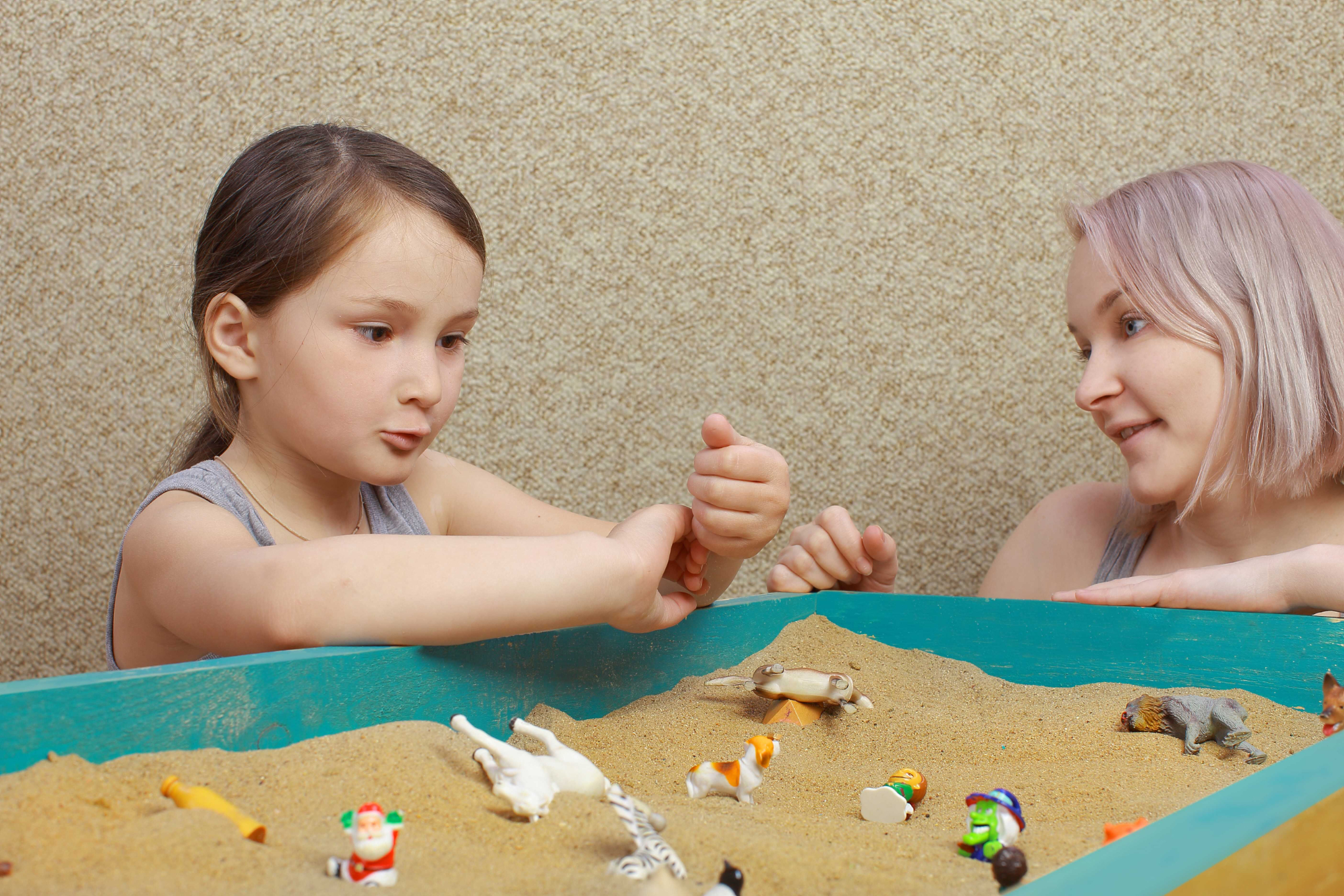
Play therapy brings a whole new dimension to the concept of children’s psychology
Our therapists are highly trained in children’s psychology, so we genuinely understand the inner-worlds of children.
And through the safe and sensitive methods of play therapy, your child will teach us exactly what they need.
Your child no longer has to be that square peg in a round hole.
The truth is, you don’t have to accept a ‘one size fits all’ approach for your child and just hope for the best.
Let us show you how play therapy and child-centred counselling can support your child.
Our psychologists are experienced with supporting children aged 0-10 with a range of challenges:

Children's Psychology & Counselling
If your child is struggling with trauma or adverse events, anxiety, depression, attachment difficulties, regulation difficulties, grief and loss, parental separation, developmental challenges, ASD, ADHD, or any other emotional or behavioural issues, we can help. We also welcome children with self- and plan-managed NDIS referrals.
Play Therapy
Our experienced team offers a range of different play therapies to help support your child using their first and most natural language… play. You can read more about these leading-edge therapies below.
Trauma Therapy Services
We provide a dedicated Trauma Therapy Service that supports children (and their carers) living in Out of Home Care arrangements. We offer this valuable service both locally and remotely, and welcome referrals from anywhere in Australia.
Still confused about what play therapy is and how it adapts to meet your child’s needs? You’re definitely not alone.

While play therapy is still a growing area of children’s psychology, its strength lies in recognising that children think, feel, express, communicate, and process differently to adults.
It’s not simply an adaption of standard adult-based therapies.
Instead, we honour children’s experiences by using child-sensitive play practices.
Even more importantly, our support is specifically tailored to the developmental needs of each child we meet.
We don’t aim to change their behaviours…
We focus on discovering and responding to the underlying needs a child communicates to us through their emotional and behavioural issues.
Because we get kids.
And we know that their external behaviours are usually covering for their internal struggles.
Play is central to how children come to learn about themselves, their relationships, and their world.
Play sessions give us a unique insight into a child’s understanding of themselves.
It shows us how the child sees the world and how safe they feel.
In other words, when a child is playing, they bring unconscious thoughts and feelings into the conscious.
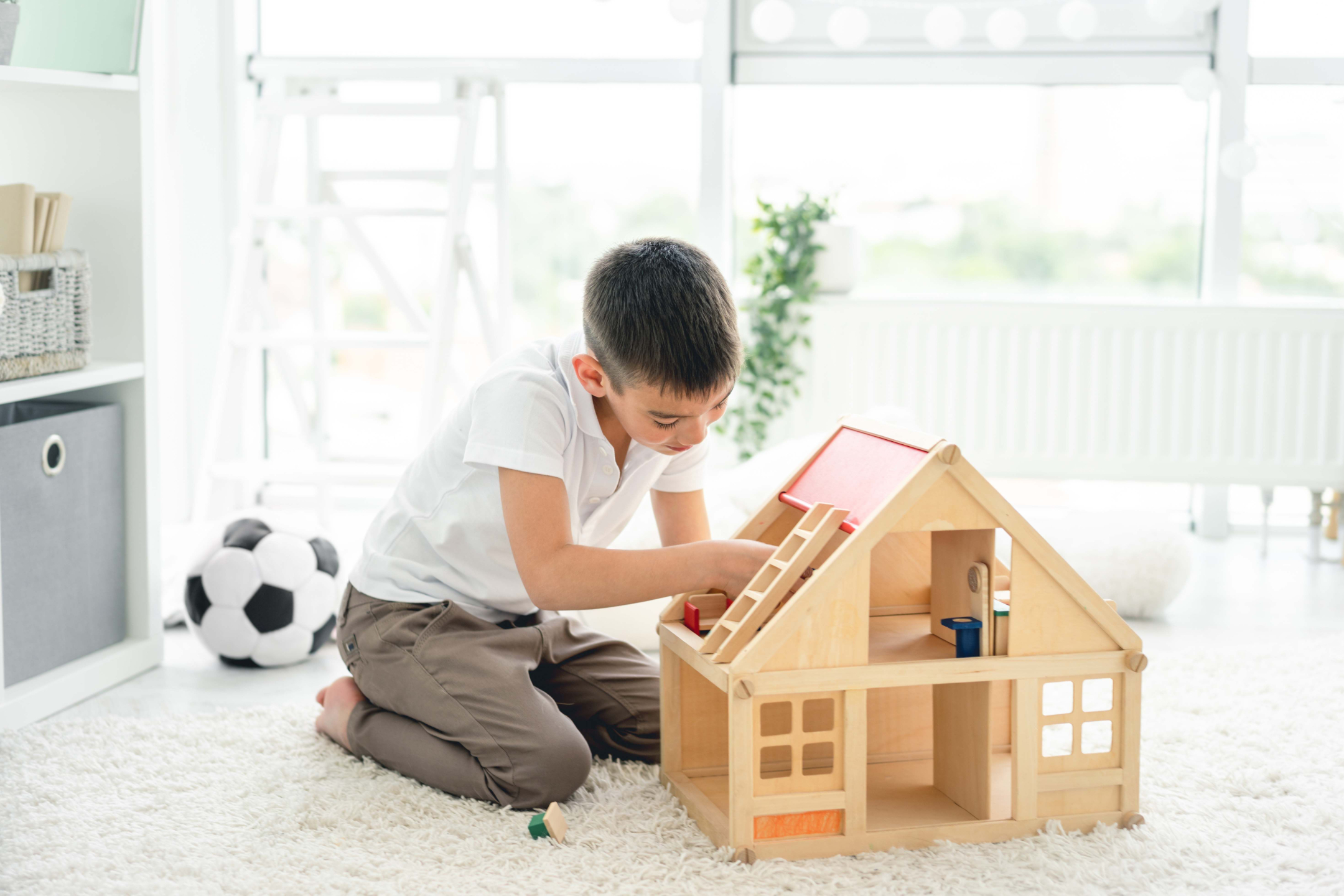
This is especially valuable in the case of younger children. Because although they can speak, they’re not yet able to fully express themselves through words alone.
It’s ridiculous to consider asking a young child about their struggles in life.
Even adults often have a hard time doing that.
Children’s experiences and feelings are often too big for them to manage alone. The thinking part of their brain isn’t yet developed enough for them to process and understand what’s happening, or to use language alone to do this.
And many memories of things that happen in early childhood are stored deep in the brain, outside of conscious awareness, so children need ways of bringing these memories to light.
That’s why play therapy is so beneficial.
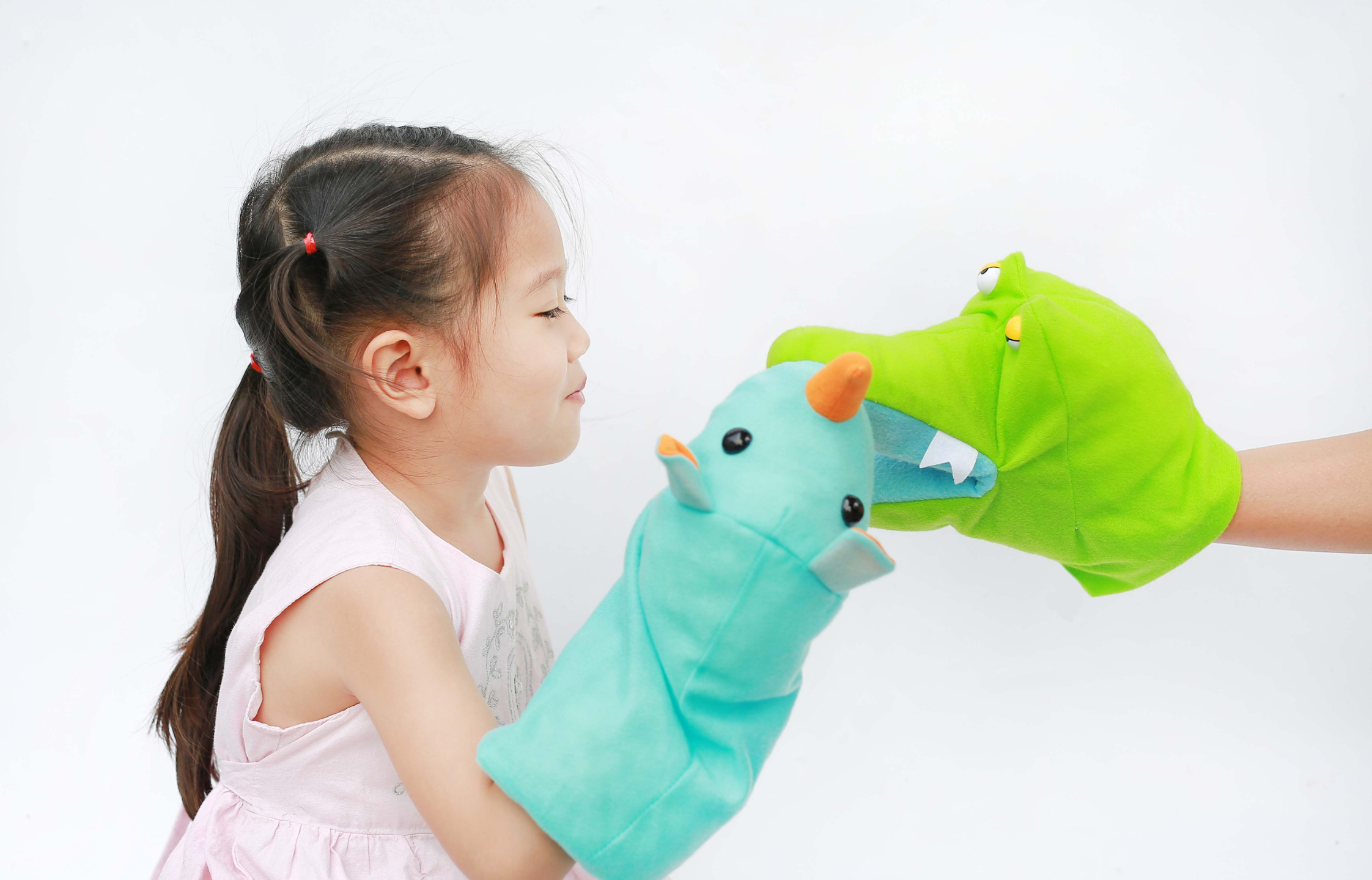
When we play, we use all of ourselves.
We tap into all the things stored in our deep, unconscious brain. And these very naturally emerge in our play.
Ever been to a fancy dress party and been surprised when you find yourself not just taking on the role of the character, but aspects of yourself and your experiences pop out too?
This is the power of play!
Even more importantly, play acknowledges and respects children’s developmental differences.
Our therapists are experts in understanding children’s play; how it develops, things that impact their ability to play, and how and what they communicate through play.
Which means that we don’t need your child to rely on words alone to explore their emotions and ask for help.
Our play therapy methods can be applied in a variety of ways:
Child-Centred Play Therapy
This describes the child-focused support given by an experienced play therapist while the child self-directs the play therapy session.
This approach is based on the assumption that most children have the internal resources to direct their own growth and change. Don’t be fooled by the name though... this doesn’t mean that a child always does what they want. Play Therapists are very active in structuring the sessions and are experts at setting limits.
The real art of play therapy is how the therapist uses their relationship with the child, and a special technique called Tracking and Reflection, to actively work towards therapeutic goals.
Integrative Play Therapy
This also supports a child individually, however the therapist draws on additional methods of therapy when a more flexible approach is required.
This approach recognises that some children may not yet have developed the internal resources to direct their own growth and change, and may need more help from the therapist.
Filial Play Therapy
This helps parents and carers put play therapy into action at home, with ongoing support and guidance from our therapists.
This is one of our most favourite therapy approaches. It’s all about empowering YOU - the parent or carer - in your parenting confidence and connection with your child.
Filial Therapy is an evidence-based program that assists in reducing stress in the parent-child relationship, reducing emotional and behavioural difficulties, and finding different ways of being with and responding to your child.
Learn to Play
These sessions support children with delays in their play development. There are many reasons a child may not develop play skills, however it most commonly occurs alongside trauma, or a developmental delay or disorder, such as ASD.
Learn to Play assesses a child’s play skills and uses specific play activities to teach the art of natural play. For example, pretend play is a skill that helps children gain language skills, develop empathy, and make and maintain friendships.
Who would’ve thought that such important life skills are developed through pretend play?
Of course, you know your child better than anyone…
If you’re looking for a quick-fix to stop your child’s difficult behaviours, then our approach is probably not the best fit for you.But if you’re searching for a child-centred therapy that will help your child promote change from the inside out…
And if you want the support of highly trained therapists who are experienced in using the therapeutic powers of relationship and play, then we’re definitely the service for you!
Reach out to us today.
GET IN TOUCHBe My Co-Therapist™
Children develop in the context of their attachment relationships, and the most effective change occurs for children when their important adults are involved in the change process.
So our model of care actively engages parents/caregivers as our co-therapist – Be My Co-TherapistTM.
In addition to your child’s therapy appointments, we regularly schedule separate parent/caregiver sessions. Our goal is to resource YOU to apply specific therapeutic approaches at home, that are consistent with our goals in therapy.
LEARN MORE